
Preliminary investigation on the association of dietary total antioxidant capacity alternative healthy eating index, and dietary inflammatory index with intestinal microbiota in patients with diabetic nephropathy
This study aims to evaluate the alteration of intestinal microbiota and its association with dietary indices, including dietary total antioxidant capacity (dTAC), dietary inflammatory index (DII), and alternative healthy eating index (AHEI) scores among healthy controls (HC) and diabetic participants with and without DN.
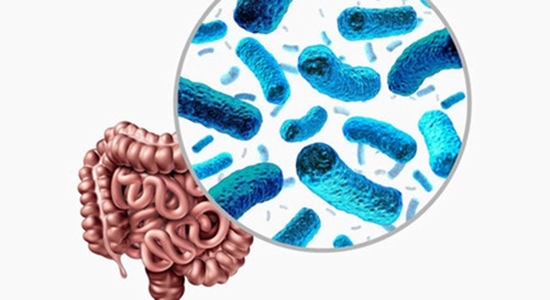
Diabetic nephropathy (DN) is one of the most abundant microangiopathy complications among diabetic patients. Gut dysbiosis and the correlation with dietary factors in diabetic participants is undeniable. This study aims to evaluate the alteration of intestinal microbiota and its association with dietary indices, including dietary total antioxidant capacity (dTAC), dietary inflammatory index (DII), and alternative healthy eating index (AHEI) scores among healthy controls (HC) and diabetic participants with and without DN.
Methods
The participants were categorized into type 2 diabetes mellitus (T2DM) group, DN group, and HC group. The intestinal microbiota was assessed using a quantitative real-time polymerase chain reaction (qPCR) method targeting the bacterial 16 S rRNA gene. Dietary data were obtained using a 168-item semi-quantitative food frequency questionnaire (FFQ).
Results
A higher level of Escherichia, Prevotella, Facalibacterium, and Bacteroides was observed among the HC group than the T2DM and DN individuals. Higher AHEI was observed in the DN group than T2DM group. Lower DII was seen among the T2DM group compared to the HC and DN groups. dTAC index had no significant differences between the studied groups. Furthermore, in the HC group, dTAC showed a marginally significant positive correlation with Bacteroides. dTAC was negatively correlated with Lactobacillus in T2DM subjects. In the whole studied population, a marginally significant positive correlation between Prevotella and dTAC and DII was observed.
Conclusions
Alterations in the intestinal microbiota were observed in participants suffering from T2DM and DN. Furthermore, some intestinal microbiota were associated with AHEI, DII, and dTAC dietary indices.



comment